
INSIGHTS / ROCKPEAK
How to Choose the Right Jaw Crusher for Your Quarry
When choosing a jaw crusher for a quarry, define the raw material conditions and the target for the complete line before comparing model specifications. Feed size, material hardness and target throughput are interdependent. An unsupported assumption in any of them can result in a capacity mismatch after commissioning. Complete selection information is more useful than simply seeking a larger feed opening or a higher motor rating.
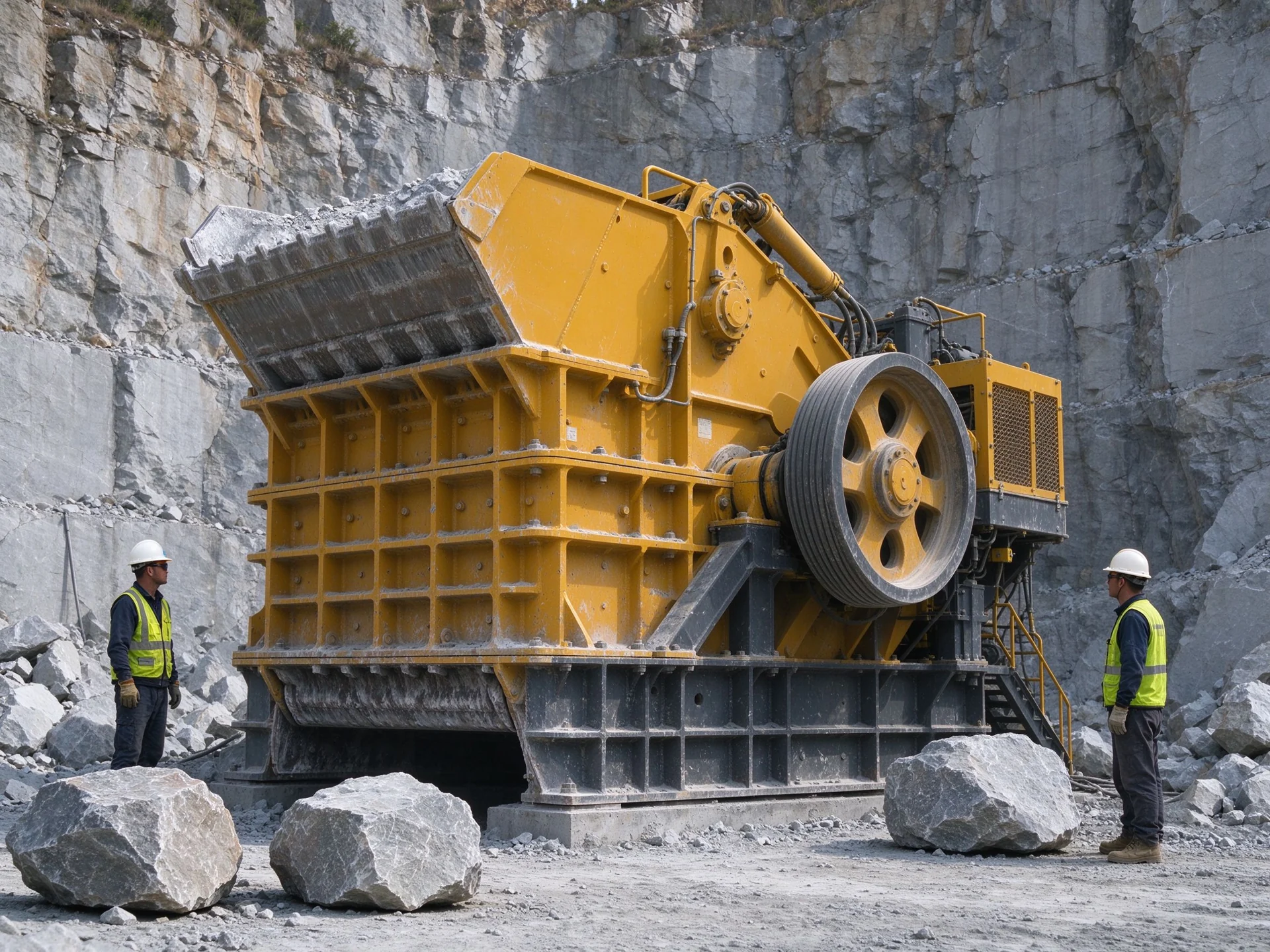
Confirm feed size and actual material composition
Maximum feed size determines whether the machine can accept the material, but measuring a single representative rock is not enough. Understand the proportion of oversized lumps, the size distribution, moisture and clay content in the normal feed. Distinguish hardness from abrasiveness: both affect crushing and wear. For variable feed, assess prescreening, feed control and any necessary crushing tests.
Define the target by effective output
Set the throughput target against effective working hours per day and the needs of downstream equipment. If the line must produce several aggregate grades, account for screening, recirculating material and off-spec material occupying capacity. Published equipment capacity ranges correspond to particular conditions and are not a promise for every site. Record both raw material throughput and saleable finished output so that different measurement bases are not mixed.
Match the discharge setting to the downstream stage
For example, the supplied RP-JC-1200 data lists a maximum feed size of 750 mm, a discharge adjustment range of 100–200 mm and a capacity of 150–350 t/h. When selecting the discharge setting, check the permitted feed size of the next crusher and the conveying capacity. The discharge setting does not describe the size of every particle leaving the machine. Final grading must still be assessed with subsequent crushing and screening.
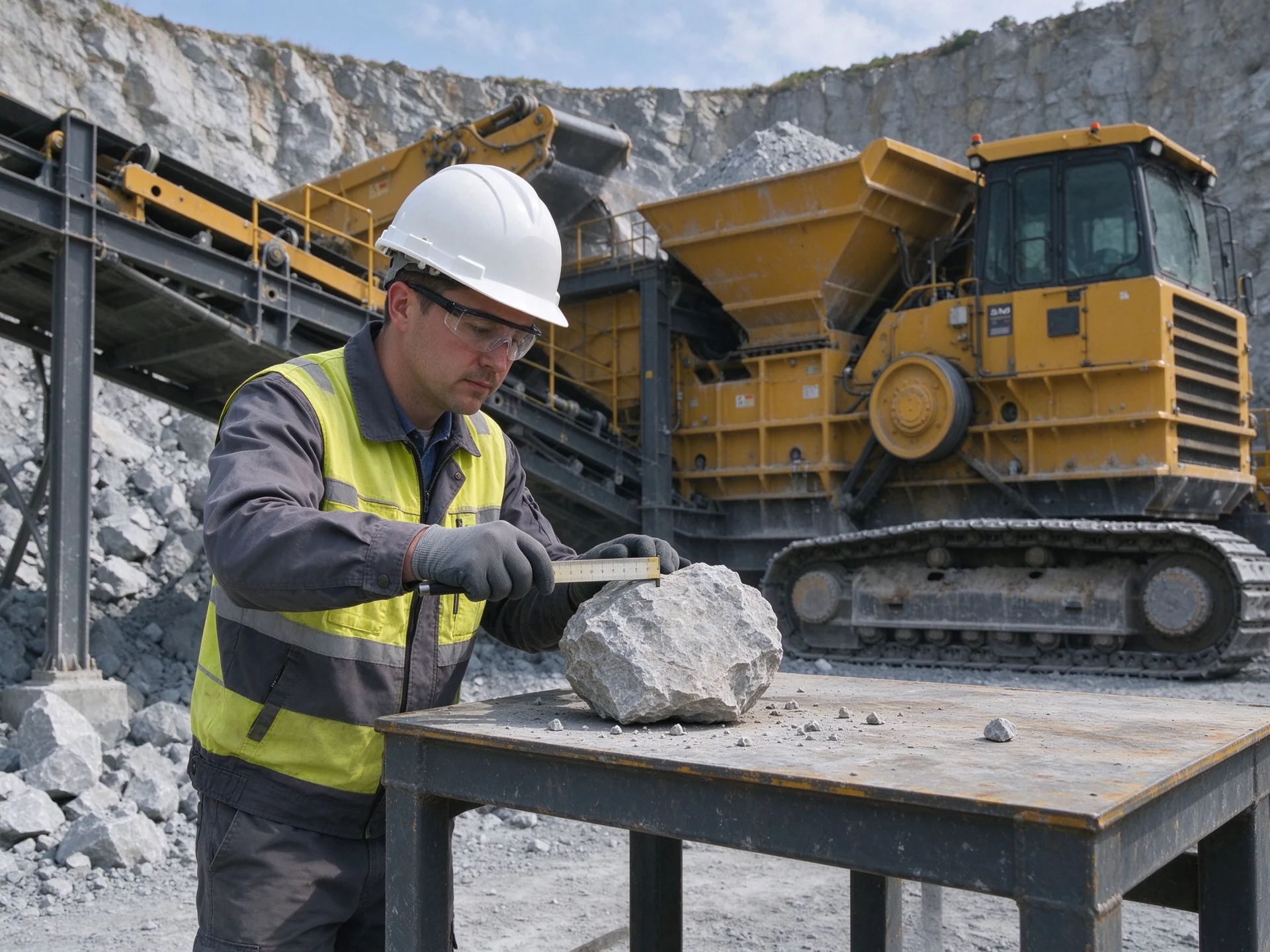
Include installation and maintenance costs
In addition to the main machine specifications, review foundation loading, transport dimensions, lifting conditions, power supply and service clearances. Heavy equipment or restricted site access can affect the installation plan. Jaw plates, fasteners, lubrication points and drive components need routine checks. Include spare-parts availability and maintenance personnel capability in procurement discussions instead of comparing initial price alone and overlooking the continuing cost of operation.
Check feed stability and supporting equipment
The feeding arrangement directly affects jaw crusher loading. Persistent off-centre feed, short periods of concentrated loading or long interruptions can cause actual performance to differ from expectations. Explain the loading equipment, transport rhythm and hopper arrangement during the design discussion, and check feeder and prescreening requirements where necessary. Assess this information together with the crusher specifications to judge whether the equipment capacity matches the site's operating arrangements.
Provide complete information for a configuration proposal
Before requesting a quotation, prepare the material name, maximum lump size, hardness and abrasiveness, target throughput, downstream equipment and project location. State whether the work is a retrofit of an existing line. If operating conditions are unclear, discuss sampling and testing before fixing equipment settings and output targets. Providing this information to RockPeak helps compare models, supply scope and delivery terms more effectively and reduces repeated proposal revisions.
YOUR QUARRY / YOUR CONDITIONS
Start with the feed and the target.
Send the maximum lump size, material properties, downstream equipment and project location.
Discuss a jaw crusher application